Executive Summary
Transforming OpenTable to SaaS:
+10% New Customers, −18% Attrition
Company
OpenTable
Timeline
5 months
Project
SaaS App Design
My Role
Creative Lead
The Problem
- OpenTable’s restaurant management system relied on in-restaurant physical kiosks
- Emerging browser-based competitors were attracting small and medium businesses
- Restaurant managers lacked remote control over floorplans, reservations, and staffing
Outcome
- 10%+ increase in new customer acquisition
- 18% reduction in attrition
- Improved competitiveness in the SMB market
My Role
- Creative Director and UX Lead
- Owned end-to-end experience design across both phases
- Directed research interviews and analysis
- Produced wireframes and art directed high-fidelity designs for implementation
Detailed Case Study
Context and Challenge
Why This Problem Mattered
- OpenTable built operational tools around in-restaurant kiosks
- Limited flexibility and slowed adoption among smaller restaurants
- Management tools were physically tied to kiosks inside the restaurant
- Managers could not easily access or adjust operations remotely
- Loss of small and mid-sized restaurant customers
- Slower expansion into new markets
- Perception of being operationally outdated
Constraints and Complexities
- Transition from kiosk-based architecture to browser-based application adapting APIs
- Maintain data integrity across reservations, staffing, and capacity
- Balance fresher design with legacy requirements due to kiosks remaining in architecture
- Interfaces must support both quick service adjustments and deep configuration
- Complexity must be structured without overwhelming users
My Role and Decision Ownership
- Defined the browser-based interaction model for reservation and floor management
- Structured time-based and spatial workflows to match restaurant thinking
- Translated physical restaurant rules into configurable digital logic
- Designed conditional table grouping behaviors
- Integrated shifts and staff assignments into operational context
- Directed visual language for a modern SaaS interface
- Produced detailed wireframes demonstrating flow and hierarchy
- Art directed high-fidelity designs for engineering handoff
Research & Insights
Ethnographic Research
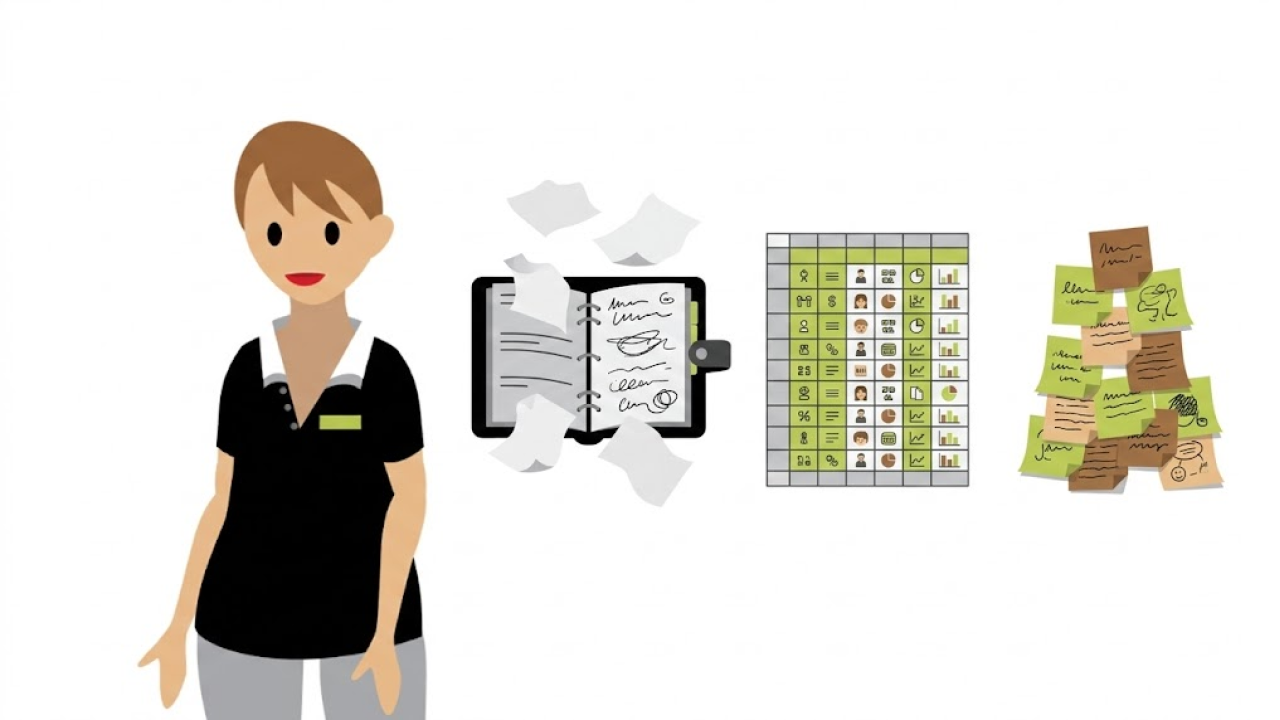
We spoke with 10 restauranteurs and observed their current working process:
- Reviewed current artifacts they used in and out of restaurant
- Observed a shift of managing the staff and reservations
- Identified and discussed pain points within the moment
Insight 1 — Managers Think in Time and Space
They manage operations through:
- Day-to-day service flow
- Month-level demand forecasting
- Physical table layout awareness
The system had to reflect temporal and spatial thinking.
Insight 2 — Setup Determines Reliability
Poorly configured floorplans lead to:
- Seating conflicts
- Incorrect capacity calculations
- Service inefficiencies
Insight 3 — Remote Control Is Strategic
Browser access was not just convenience. It enabled:
- Off-site planning
- Multi-location oversight
- Faster operational adjustments
Design Strategy & Solution
The design work was split into two phases to accelerate an MVP to market followed quickly by deeper utility.
Phase 1 — Make Time Actionable
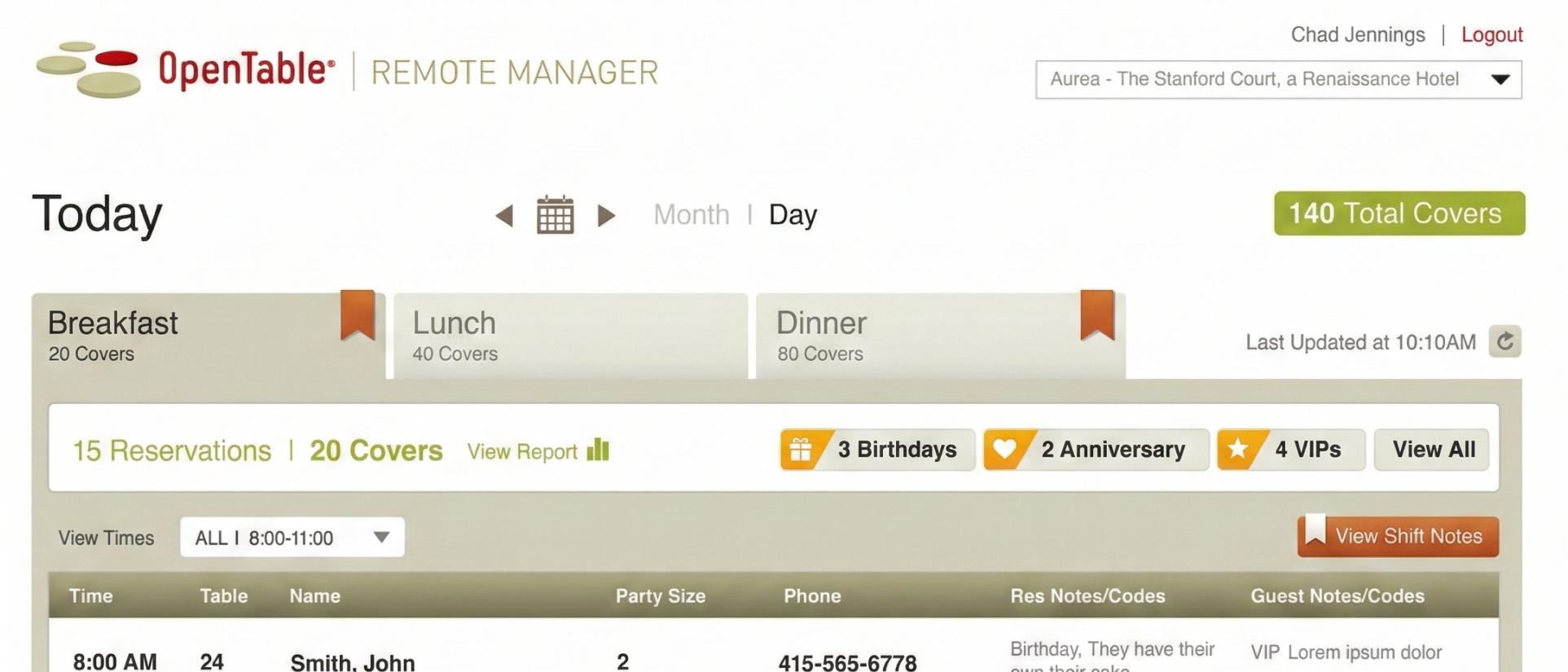
- Introduced browser-based day and month calendar views
- Designed visual indicators of restaurant fullness
- Created reporting views to surface reservation trends
- Balanced detail with clarity for fast in-service adjustments
Wireframes
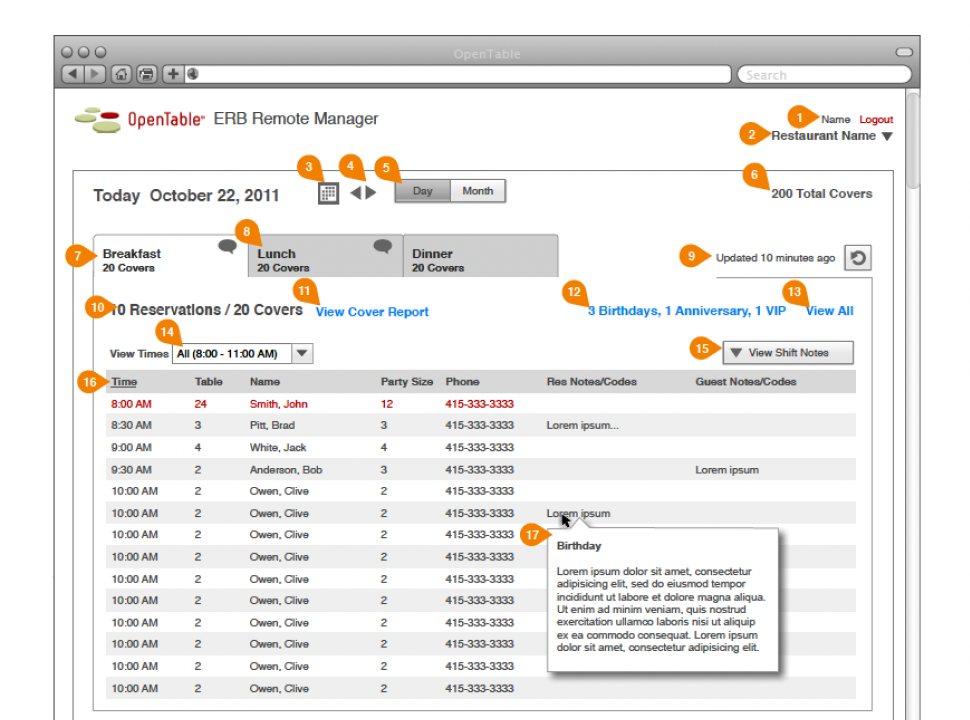
Day View of Reservations
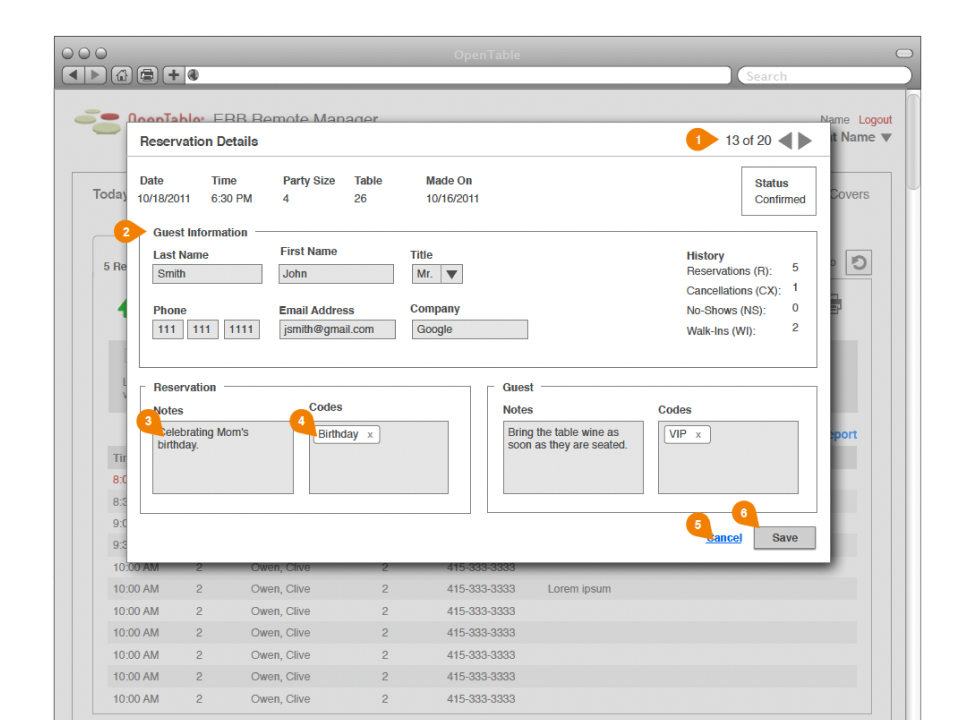
Reservation Details
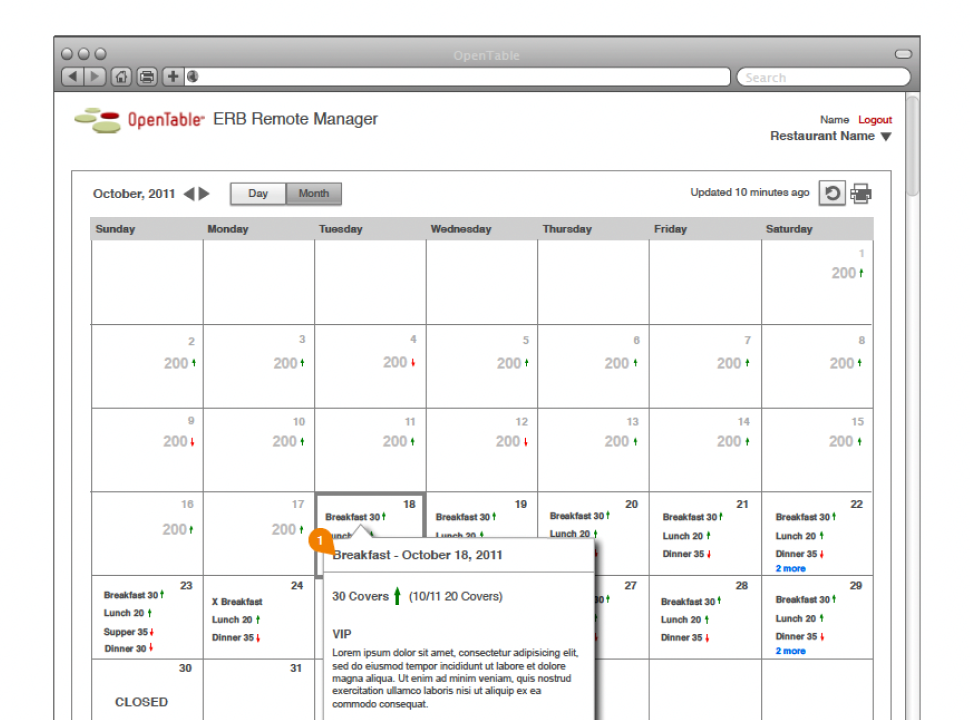
Calendar View
High Fidelity Design
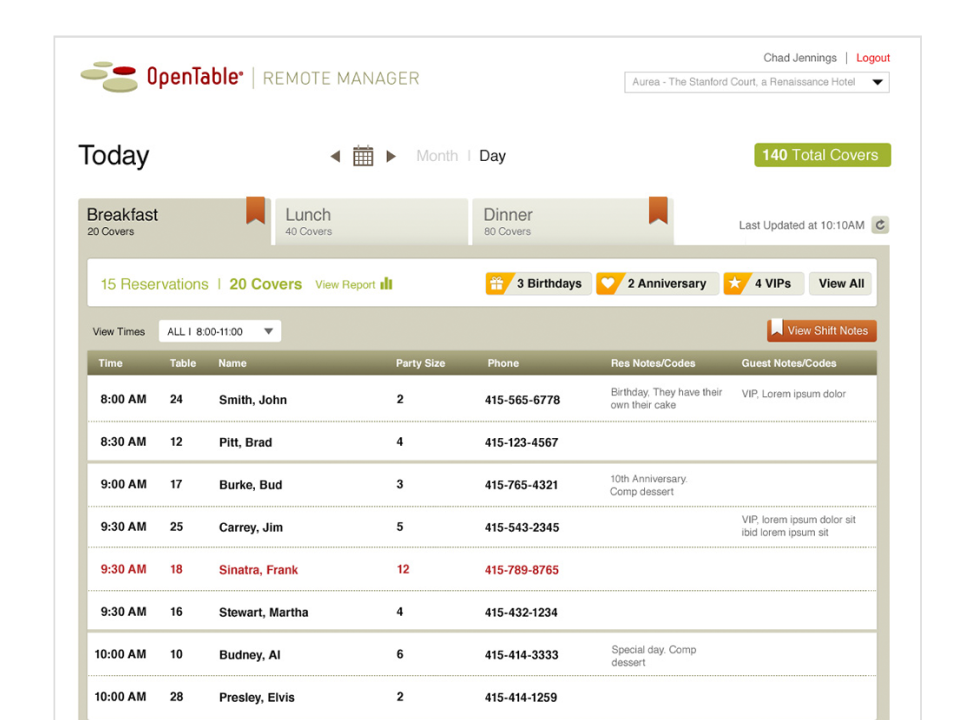
Day View of Reservations
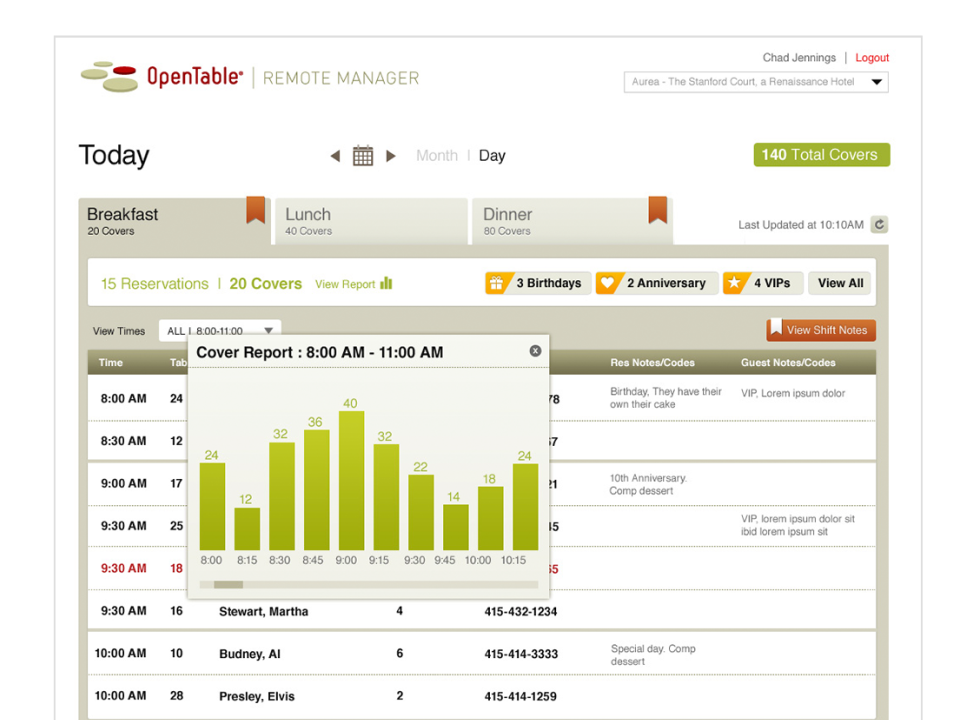
In Context Charting
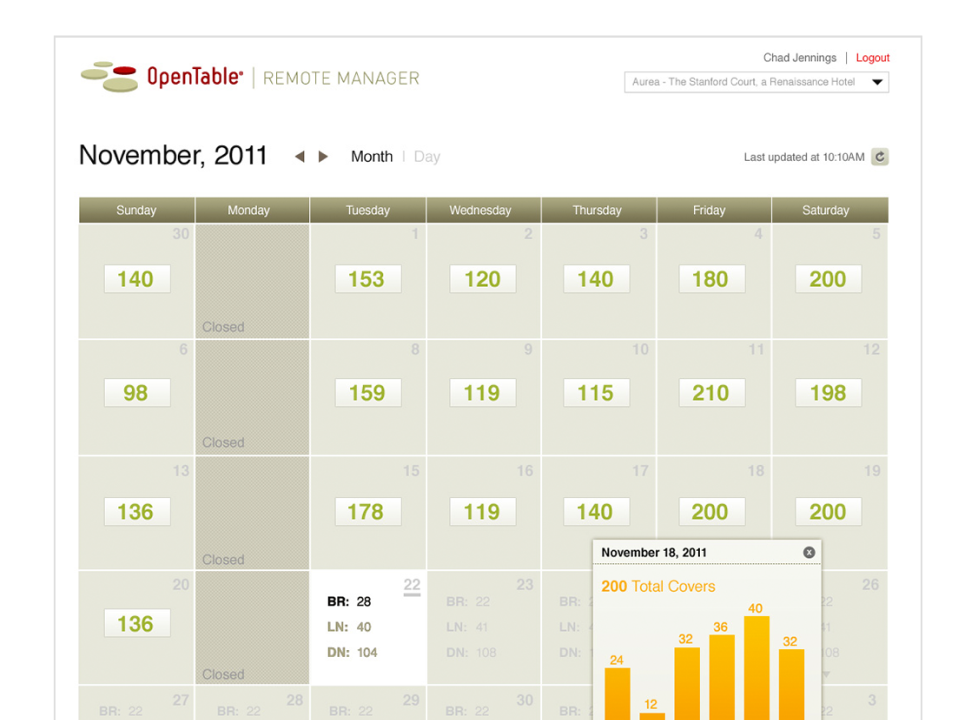
Calendar View
Phase 2 — Make Complex Spaces Simple
- Created a drag-and-drop floorplan builder that mirrored the physical restaurant layout
- Designed clear, contextual rule panels that made table grouping and seating limits easy to understand
- Structured shift creation as guided flows aligned to real service periods
- Integrated staff assignments directly into the visual operational context
Wireframes
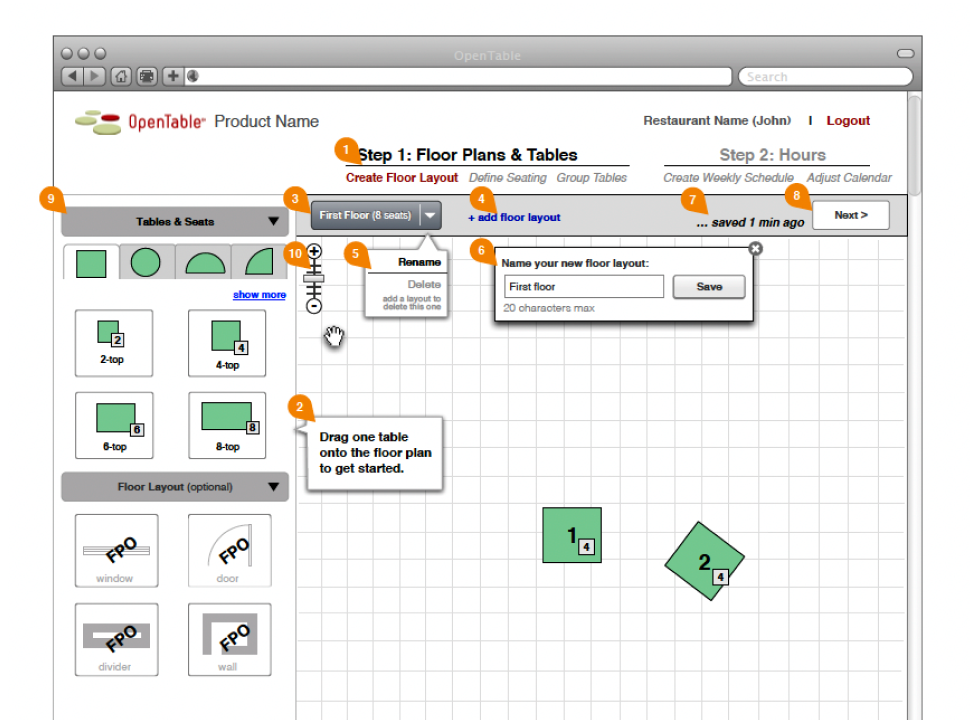
Table Floorplan Setup
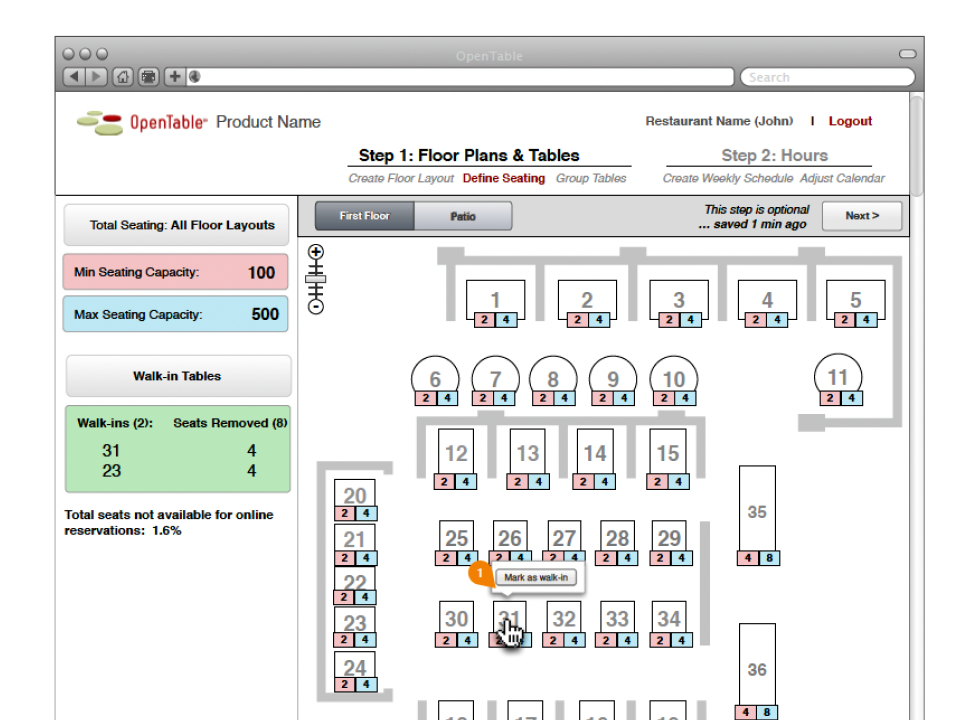
Min/Max Seating per Table
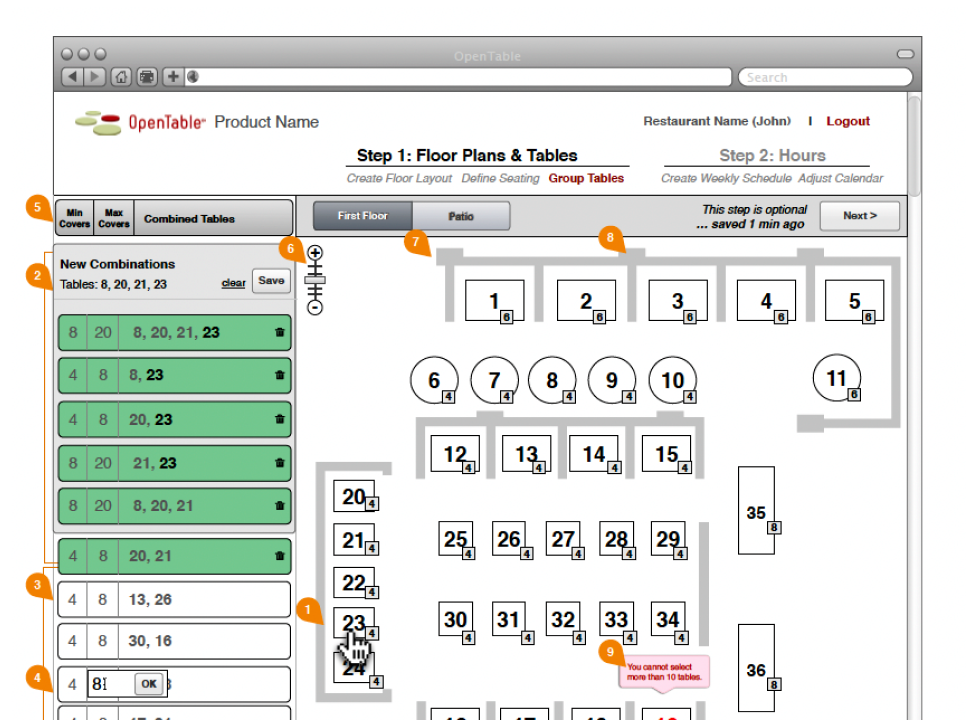
Table Grouping
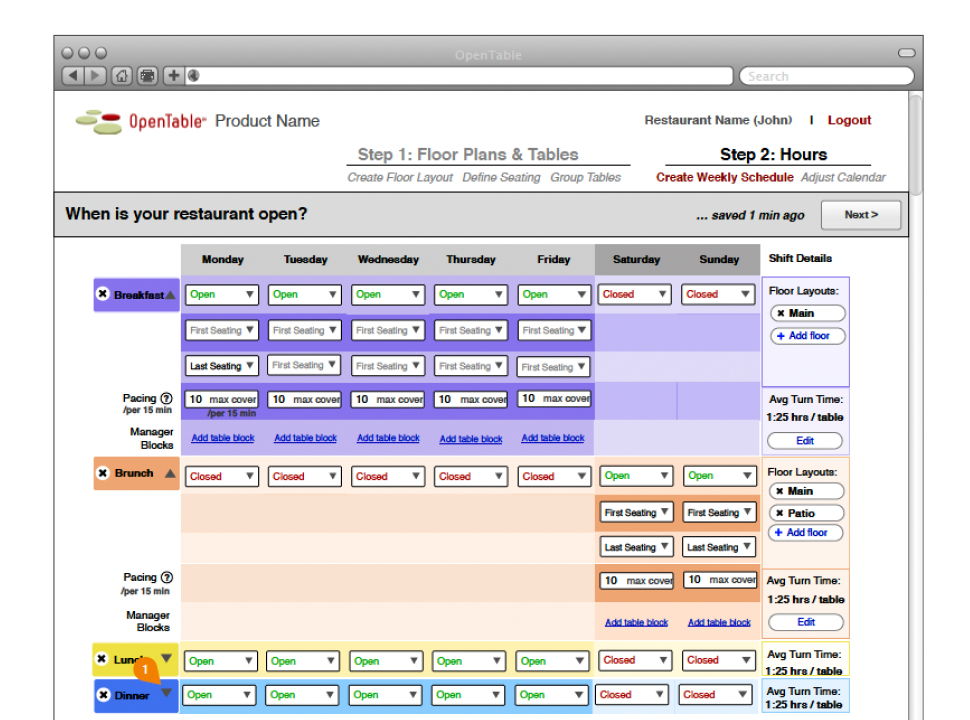
Shift Definition
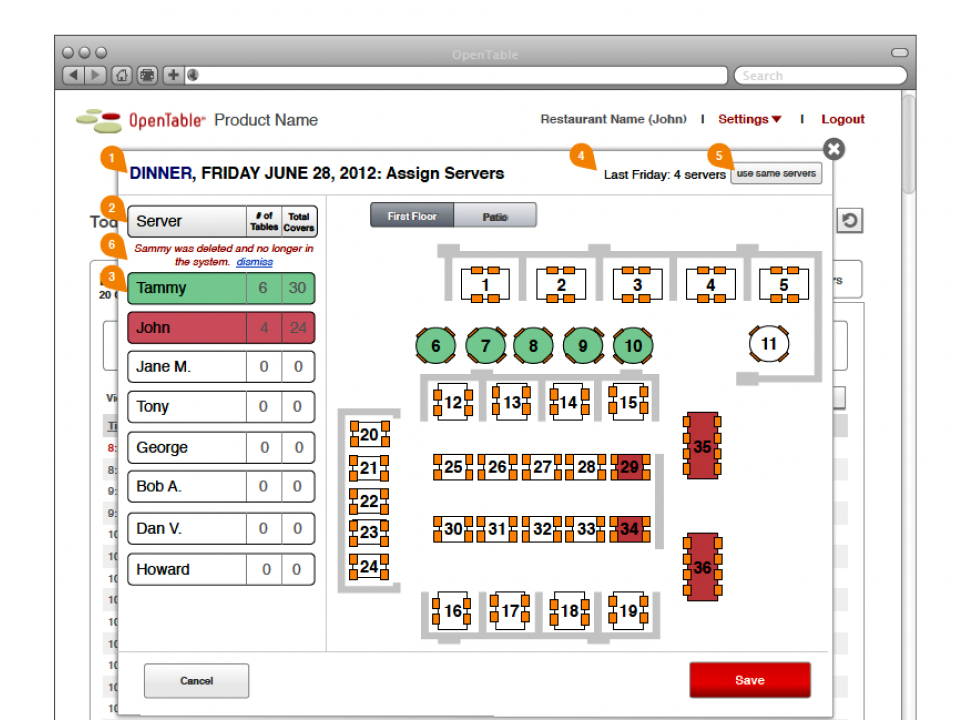
Staffing Shifts
High Fidelity Design
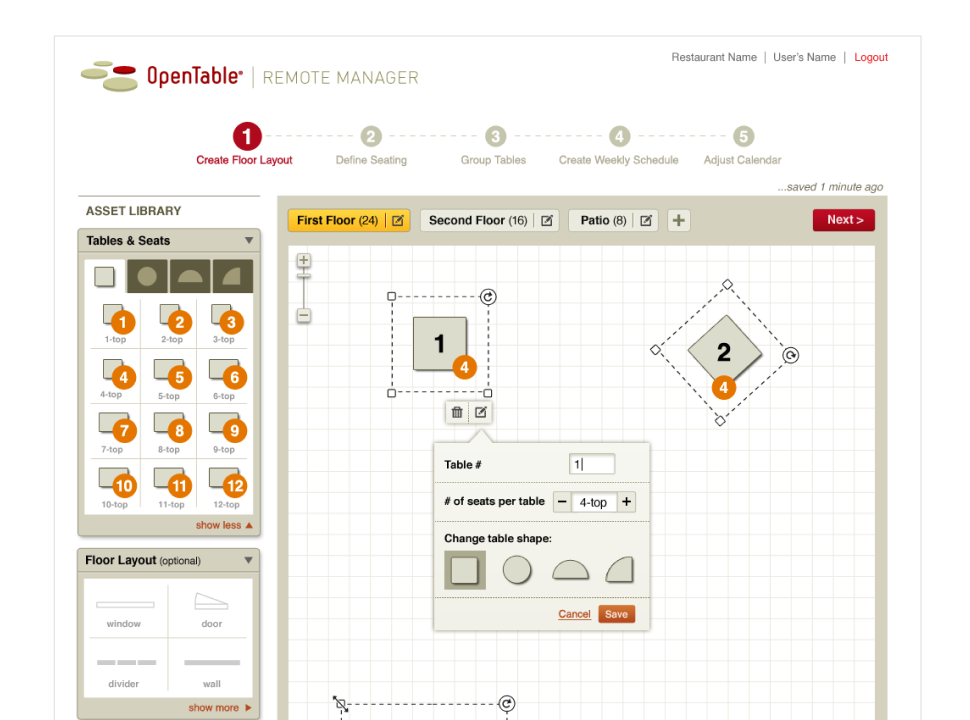
Table Floorplan Setup
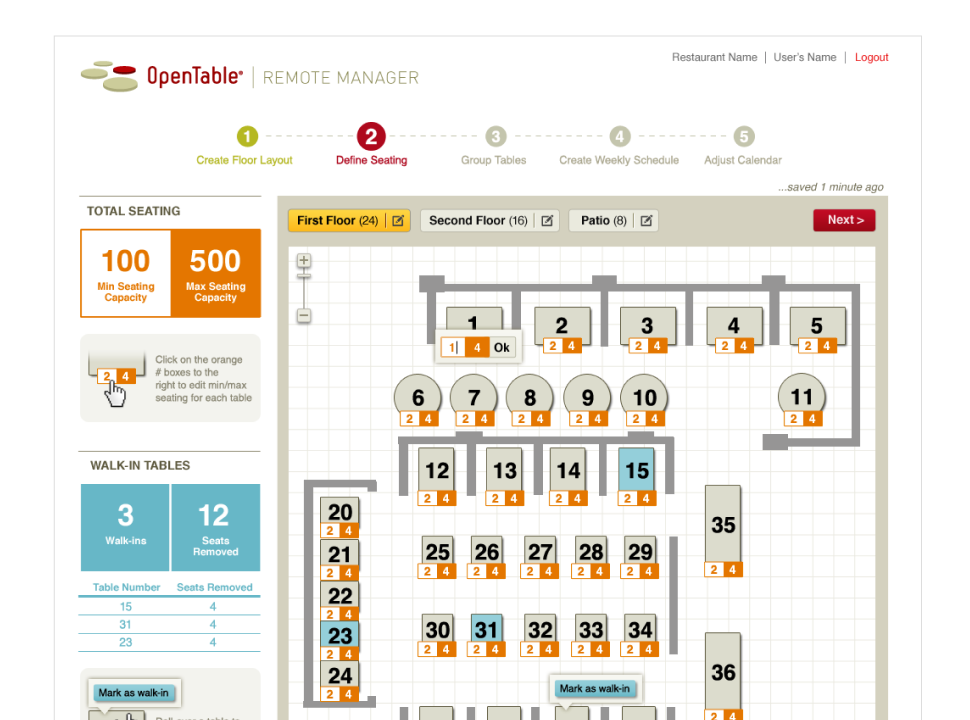
Min/Max Seating per Table
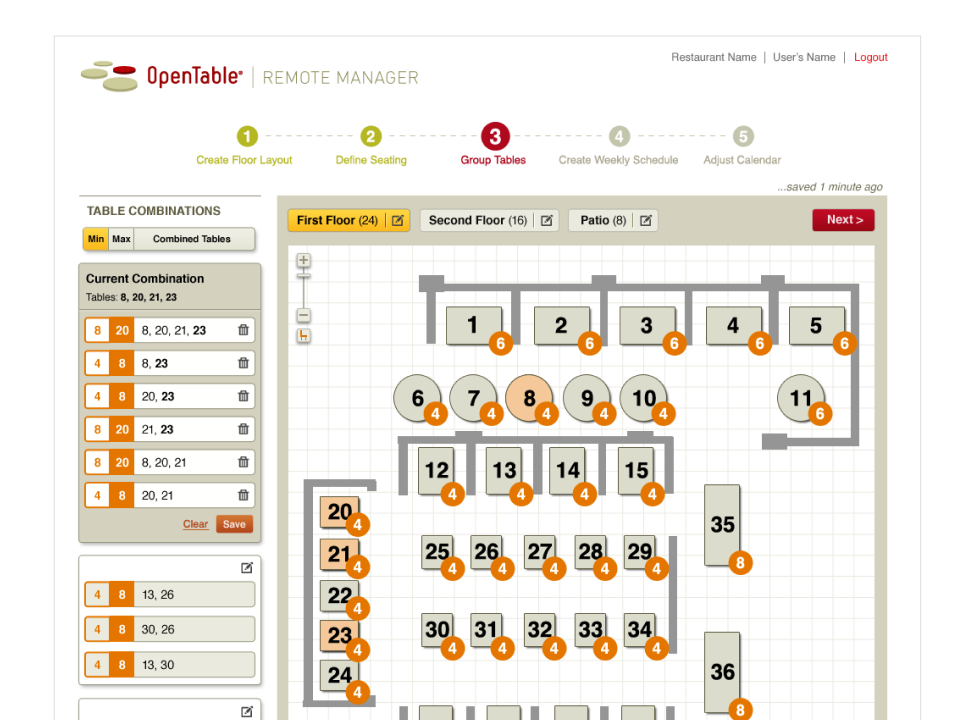
Table Grouping
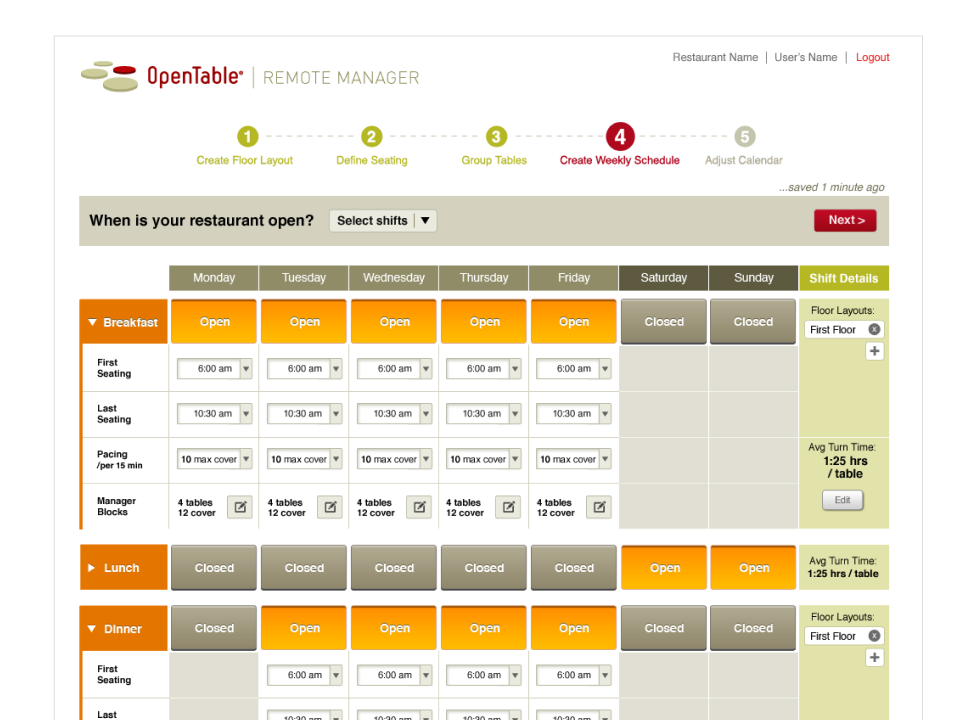
Shift Definition
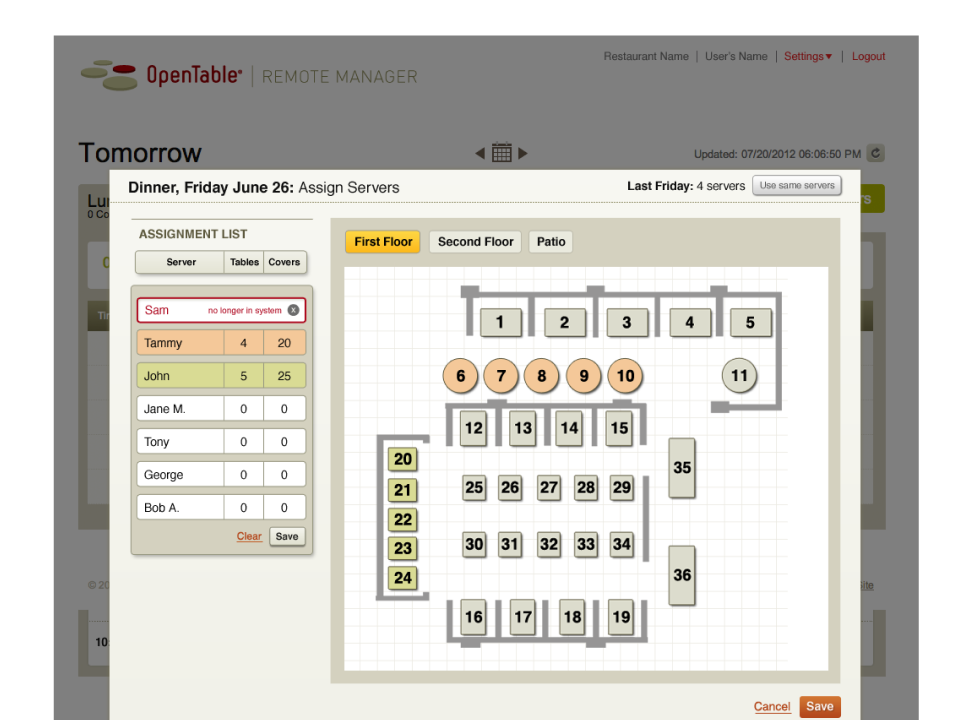
Staffing Shifts
Impact & Outcomes
The transition from a legacy kiosk model to a modern browser-based platform delivered measurable growth and retention impact.
10%+
New Customer Acquisition
-18%
Attrittion Reduction